
Best Van Life Internet Setup for Remote Work (2026 Guide)
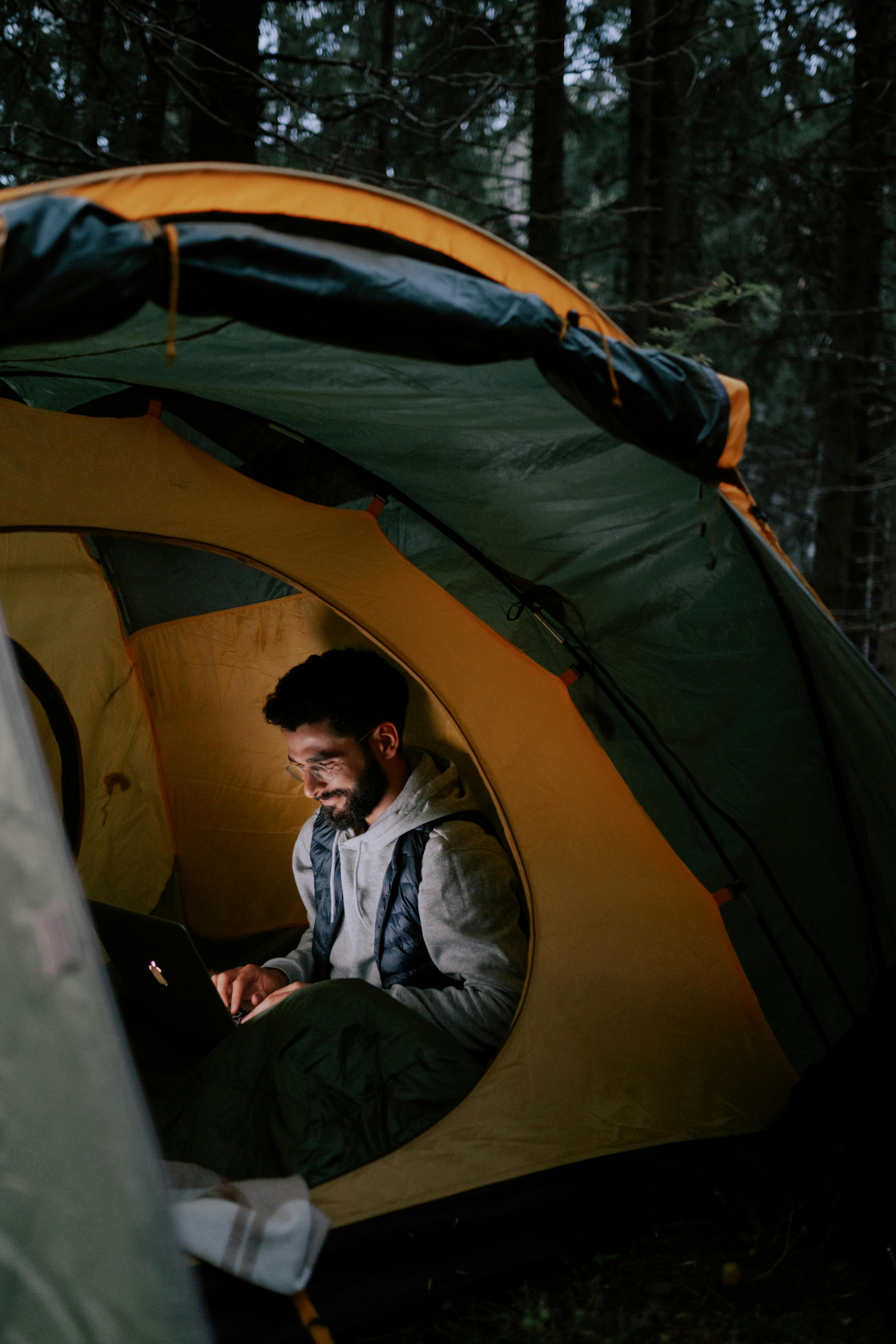
This post may contain affiliate links. If you buy through them, we may earn a commission at no extra cost to you.
Last updated: March 2026
Working remotely from a van sounds simple until you actually try to connect to the internet.
Coffee shops are not always nearby, campsites can have weak signal, and many great places have no Wi-Fi at all.
A reliable internet setup is one of the most important systems in van life, especially if your income depends on consistent connection.
Quick Recommendation (Most Reliable Setup)
If you want a simple setup that balances cost, reliability, and portability, start with this combination:
This pairing gives you stronger cellular consistency, better rural performance, and steadier video-call reliability.
Why Van Life Internet Is Different
Internet in a van is not a fixed broadband connection. You are depending on cellular infrastructure that changes constantly as you move.
Your real-world speed depends on tower distance, terrain, weather, and network congestion in each area.
That is why most van setups work best with a three-layer system:
- Mobile hotspot
- Signal booster
- Backup options
The Best Mobile Hotspot for Van Life
Netgear Nighthawk Mobile Hotspot
The Nighthawk is widely used in van life because it handles multiple devices and typically delivers stronger, more stable speeds than phone tethering.
Why It Works
- Strong LTE and 5G support
- Connects multiple work devices at once
- Compatible with major carriers
- More reliable than relying on a phone hotspot alone
Best for: Remote workers, digital nomads, and van lifers who need stable calls and upload performance.
The Best Signal Booster for Van Life
WeBoost Drive Reach Signal Booster
A signal booster does not create signal. It amplifies weak existing cellular signal so your hotspot can hold connection more consistently.
Why Van Lifers Use It
- Improves weak reception in fringe coverage areas
- Supports more stable work sessions in rural zones
- Works across multiple carriers
Best for: National parks, mountain corridors, and remote camp zones where one bar can make or break your day.
Backup Internet Options
Even strong primary gear can fail in certain terrain or congestion windows, so keep a backup strategy.
Coffee Shops and Libraries
Useful for deep-work blocks when local signal drops.
Campground Wi-Fi
Quality varies heavily. Treat it as opportunistic, not guaranteed.
Starlink Roam
Increasingly common for off-grid travel, but it requires higher power draw, more hardware, and more setup overhead than a hotspot-first system. If you are considering it, run the numbers against your full van power plan first.
Typical Internet Costs for Van Life
| Internet Option | Typical Monthly Cost |
|---|---|
| Phone hotspot add-on | $0-$20 |
| Dedicated hotspot plan | $50-$100 |
| Starlink Roam | $150+ |
Most remote workers land around $50-$90 per month when running a dedicated hotspot-first setup.
FAQ: Van Life Internet
How do van lifers get internet?
Most van lifers run a mobile hotspot tied to a cellular data plan. They then add a signal booster when travel routes include weaker coverage zones.
Is Starlink worth it for van life?
It can be valuable for heavily off-grid travel, but the power and hardware requirements are higher. For most beginners, a hotspot plus booster is the simpler starting point.
Can you work remotely while living in a van?
Yes. Many people work full-time from the road. The key is stable internet, stable power, and clear backup plans before critical work windows.
Final Recommendation
For most van lifers, start simple: choose a reliable hotspot and add a booster if you regularly travel into low-signal areas.
This combination gives you the best early balance of portability, reliability, and remote-work readiness.